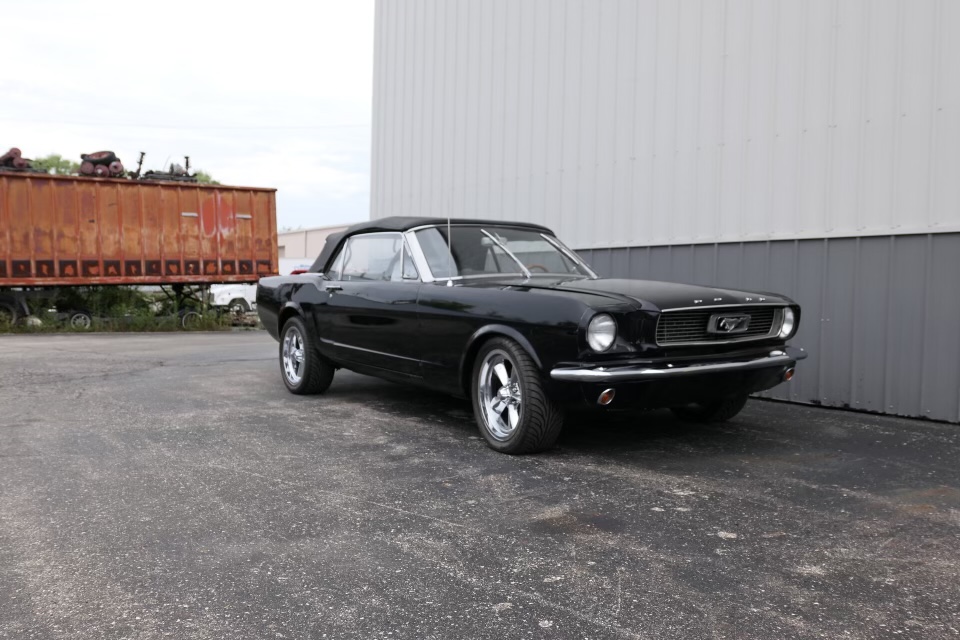
About 12 years ago, I bought a 1966 Mustang convertible to restore. I wasn’t looking for one.
When I’m buying something from Craigslist, I often ask the seller whether he has anything else for sale. I don’t even remember what I had gone to buy that day, but the man said, “Yeah, I’ve got this old Mustang in a trailer, and I’d like to get it out of there.”
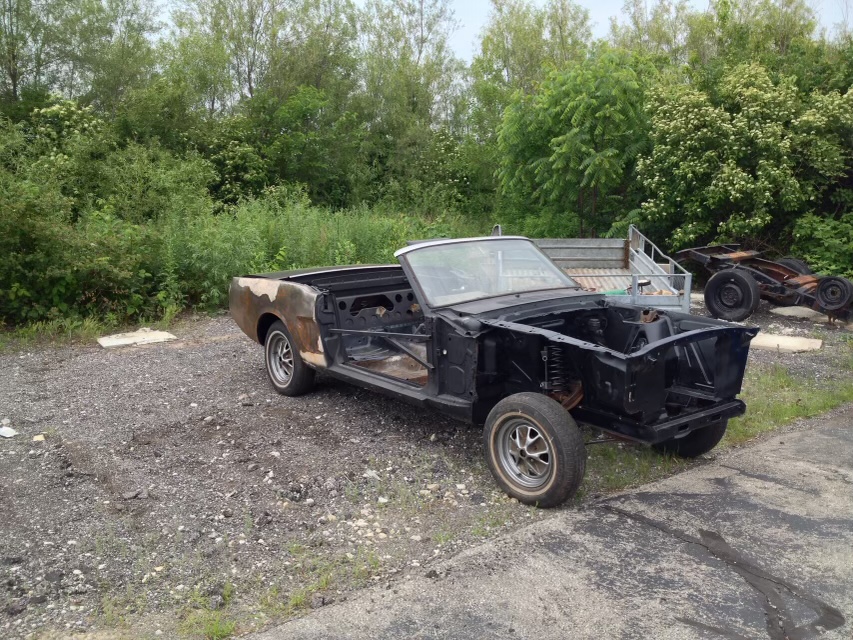
I looked through the trailer door. Inside was a 1966 Mustang in pieces—many pieces. It was rusty, it was apart, and it had no engine. But it was a convertible, most of the pieces seemed to be there, and a transmission came with it.
So I bought it.
When I brought it back to the shop, Kathy asked the obvious question: “Why did you buy that rusty pile of junk?”
First, make it a car again
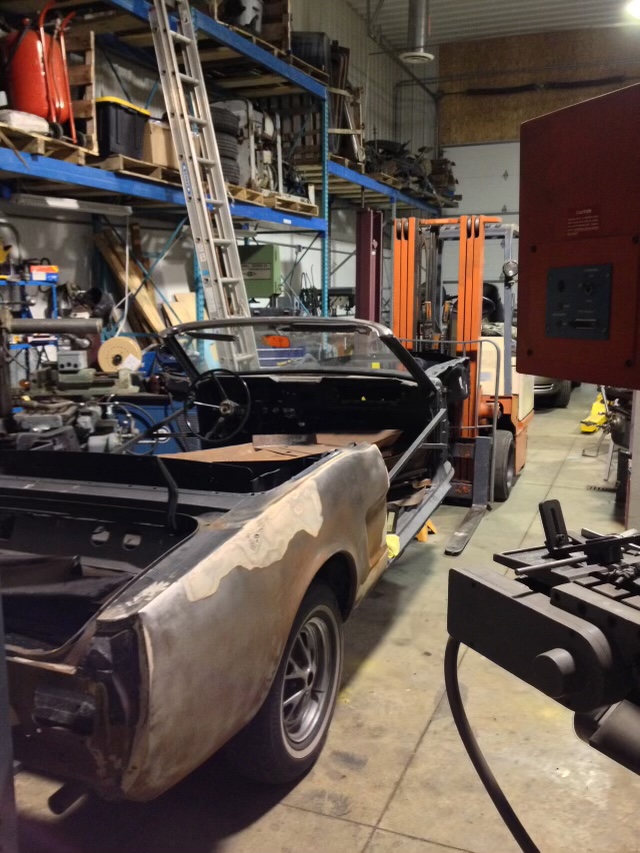
The first job was not rebuilding the engine or choosing paint. It was restoring enough structure that the thing could honestly be called a car.
Early Mustangs used unibody construction, so the body itself carries the loads that a separate frame would carry in an older design. Rust in the wrong place is not cosmetic. This car had it in nearly every wrong place.
The floorboards were rusted out. The torque-box areas and much of the rear structure were bad. I cut out the rust and welded in new metal. I replaced all the floor pans, the damaged structural sections, one rear quarter panel, one front fender, and one of the front frame rails. Then I kept going. On a job like this, removing one bad piece usually reveals the next one.
The advantage of restoring a Mustang
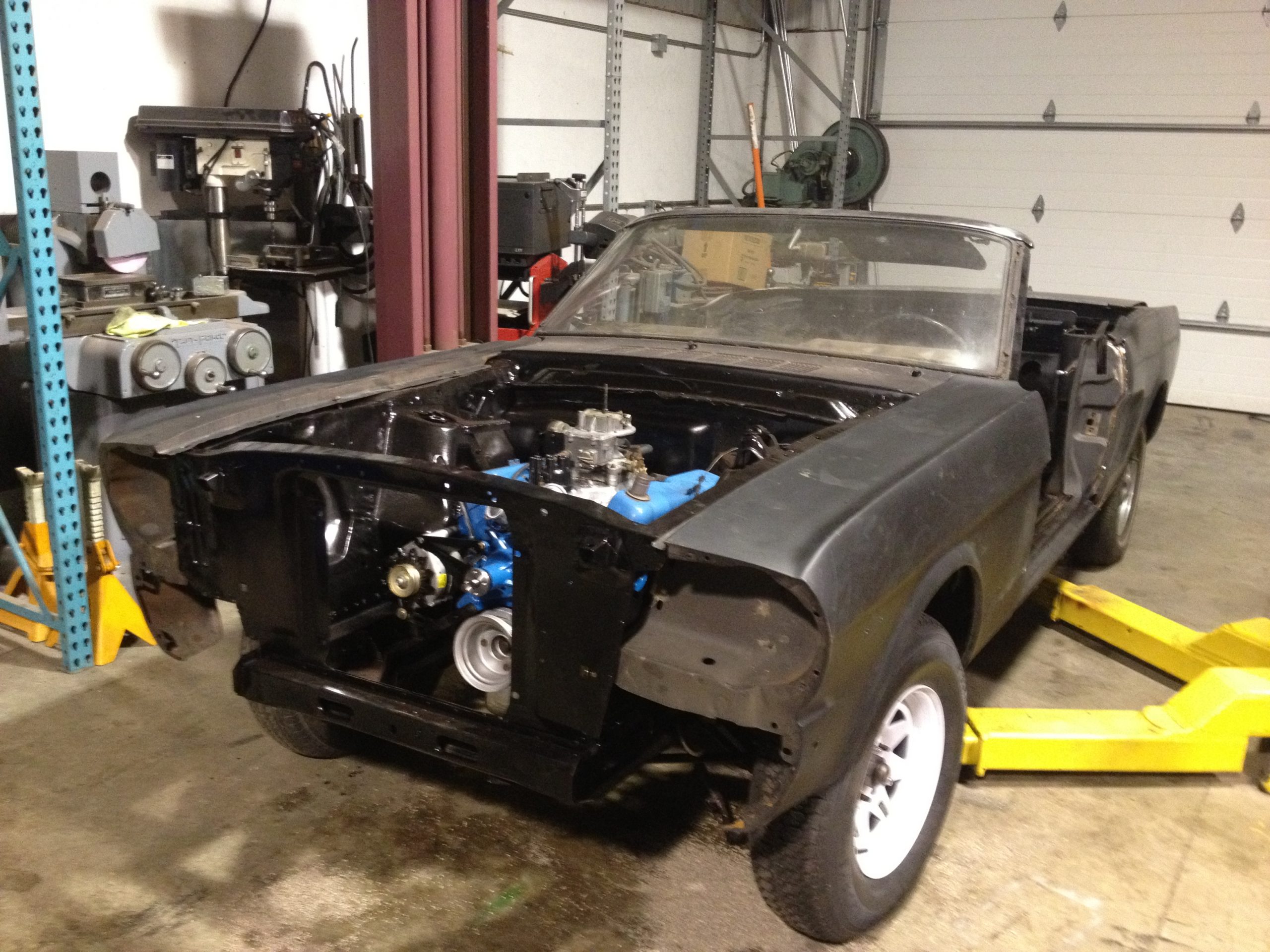
There is one enormous advantage to taking on a first-generation Mustang: almost every part is available. You can buy new-old-stock pieces, used pieces, or reproductions of nearly anything on the car. A less popular old car can stop a restoration cold because one obscure bracket or trim piece simply doesn’t exist. With a Mustang, the problem is more often deciding which version to buy.
I bought a great deal from National Parts Depot’s Michigan operation. I was traveling to the Detroit area for work at the time and made a couple of trips there. On one of them, I came home with the car packed full of Mustang parts.
Having parts available did not make the job small. It only made it possible. There were still countless hours of fitting, welding, grinding, sanding, painting, buffing, wiring, plumbing, and figuring out how a pile of unrelated-looking pieces was supposed to become one car again. I put essentially every part of that Mustang together.
It took about two years.
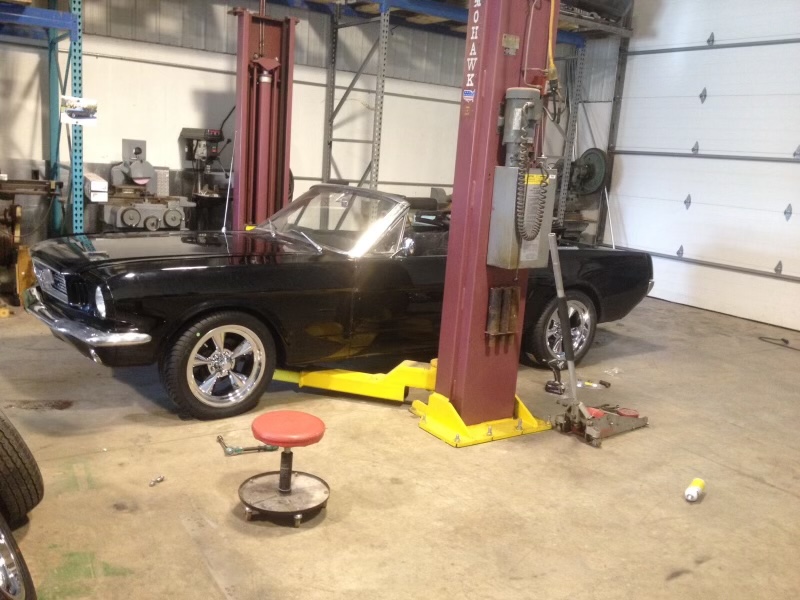
Finished—and finished with it
The result was a black 1966 Mustang convertible. It looked sharp, ran, and drove. I had taken something that arrived as a rusty shell and a trailer full of parts and made it whole again.
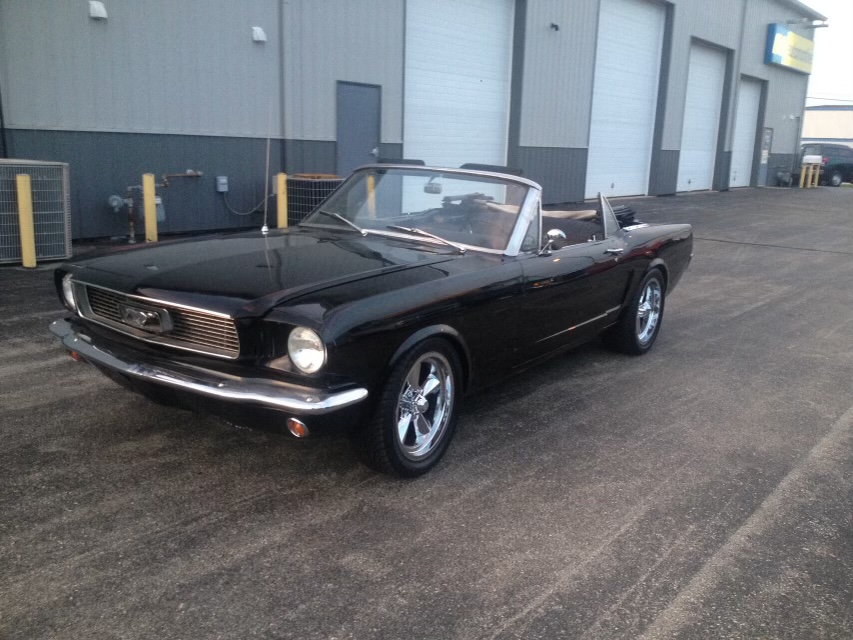
The strange part was that, by the time I finished it, I was tired of working on it. I drove it a few times, but the restoration had been the experience. Owning the finished car was almost an afterthought.
When I put it up for sale, nearly every prospective buyer picked it apart because some detail wasn’t exactly factory correct. That wore me down. I eventually sold it for not much more than I had invested in parts, and probably too cheaply if you count only the car.
Of course, no honest accounting could count only the car. It would also have to include two years of labor—cutting, welding, sanding, fitting, and solving hundreds of little problems. Financially, it was not a brilliant project.
But that is not quite the point. I started with a rusty pile of parts that most people would have walked past. I learned the car one piece at a time, and I finished it. By then I was ready for the next problem.